Ciaża a zdrowie jamy ustnej – wszystko, co musisz wiedzieć
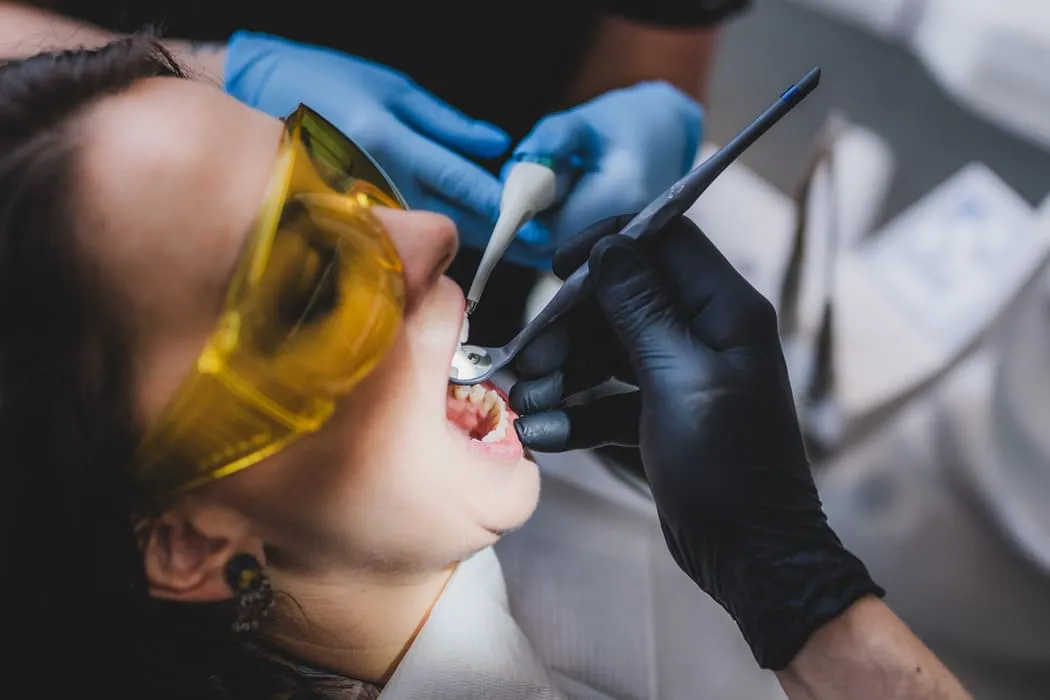
Ciaża to wyjątkowy czas, który wymaga szczególnej troski o zdrowie – w tym także o stan jamy ustnej. Wahania hormonalne mogą zwiększać ryzyko chorób przyzębia, nadwrażliwości dziąseł i próchnicy. Regularne wizyty u dentysty pomagają w utrzymaniu zdrowia zębów i dziąseł, a także w uniknięciu ewentualnych powikłań.
Kiedy najlepiej udać się do dentysty?
Przed ciążą – Jeśli planujesz ciążę, warto wcześniej skontrolować stan zdrowia jamy ustnej i wyleczyć ewentualne problemy.
Drugi trymestr (14.–26. tydzień) – To najbezpieczniejszy czas na leczenie stomatologiczne, gdy ryzyko związane z interwencjami jest najniższe.
Jakie zabiegi można wykonać w ciąży?
Leczenie próchnicy – Wypełnienia są bezpieczne i zalecane, aby uniknąć infekcji.
Piaskowanie i skaling – Usuwanie kamienia nazębnego i osadu pomaga w profilaktyce chorób dziąseł.
Fluoryzacja – Wzmacnia szkliwo i zapobiega próchnicy.
Leczenie ortodontyczne – Można kontynuować noszenie aparatu ortodontycznego.
Zabiegi wymagające ostrożności
Leczenie kanałowe – Wykonywane tylko w przypadku konieczności, najlepiej w drugim trymestrze.
Usunięcie zęba – Możliwe w sytuacjach nagłych, jednak najlepiej unikać go w pierwszym i trzecim trymestrze.
Zabiegi odradzane w ciąży
Wybielanie zębów – Substancje wybielające mogą być drażniące, a ich wpływ na płód nie jest dobrze zbadany.
Implanty i leczenie protetyczne – Proces może wymagać podania leków przeciwzapalnych i antybiotyków.
Leczenie chirurgiczne – Każdy zabieg chirurgiczny niesie ryzyko dla mamy i dziecka (jeśli nie jest konieczne).
Czy można stosować znieczulenie w ciąży?
Tak, nowoczesne środki znieczulające są bezpieczne, ale muszą być dobrane odpowiednio do stanu pacjentki. W ciąży stosuje się znieczulenia bez adrenaliny, które nie wpływają na ciśnienie krwi i są bezpieczne dla dziecka.
Dlaczego zdrowie jamy ustnej w ciąży jest tak ważne?
Nieprawidłowa higiena jamy ustnej może prowadzić do:
Przedwczesnego porodu
Niskiej masy urodzeniowej dziecka
Wzrostu ryzyka stanu przedrzucawkowego
Rozwoju cukrzycy ciążowej
Pamiętaj: Dbając o zdrowie jamy ustnej, dbasz również o zdrowie swojego dziecka. Jeśli masz pytania lub wątpliwości, skonsultuj się ze swoim stomatologiem.
Jak dbać o higienę jamy ustnej w ciąży?
Szczotkowanie zębów – Minimum dwa razy dziennie pastą z fluorem.
Dobór szczoteczki – Stosuj szczoteczkę o odpowiedniej twardości, aby nie podrażniać nadwrażliwych dziąseł.
Dieta – Unikaj kwaśnych i słodkich przekąsek, które zwiększają ryzyko próchnicy.
Dodatkowa higiena – Używaj nici dentystycznej i płynów do płukania jamy ustnej, aby chronić dziąsła.
Regularne wizyty – Odwiedzaj dentystę co najmniej raz na trymestr, aby monitorować stan zdrowia jamy ustnej.
Potrzebujesz porady stomatologicznej w ciąży?
Skontaktuj się z nami, aby umówić wizytę konsultacyjną. Nasi specjaliści chętnie odpowiedzą na wszystkie Twoje pytania dotyczące zdrowia jamy ustnej w ciąży.
Wybierz dogodną lokalizację i zarezerwuj wizytę już dziś – telefonicznie, mailowo lub przez formularz online. Jesteśmy dostępni od poniedziałku do piątku w godzinach 8:00–19:00, a w Gorlicach także w sobotę.
Wybierz dogodną lokalizację i zarezerwuj wizytę już dziś – telefonicznie, mailowo lub przez formularz online. Jesteśmy dostępni od poniedziałku do piątku w godzinach 8:00–19:00, a w Gorlicach także w sobotę.