Profilaktyka i higiena - Stomatologia Wichlińscy

Hygienization

A healthy smile is the result of regular tooth brushing
and an appropriate diet.

It is important to know that brushing alone is not enough. Bacteria accumulated in the form of tartar cannot be removed by home means. A professionally performed oral hygiene may help in the fight against them.

Hygienization is a professional cleaning, removing deposits, tartar. It consists of several stages that benefit the health of the gums, and the teeth receive a whitening effect after the treatment.

Ask for the nearest available appointment for hygienists.

It's just 55 minutes that will benefit your teeth.

Why is dental hygiene necessary?

The dental hygiene treatment is a preventive action of cleaning the teeth from plaque. It inhibits the growth of bacteria and strengthens the enamel. After the treatment, the gums are less sensitive. The elimination of all deposits or discolouration from tea, coffee or smoking significantly improves the appearance of the teeth. 

How many times a year should I go for hygiene?

Oral hygiene should be carried out regularly. Only then can you prevent the negative impact of tartar on your health. Increased risk of caries, bad breath, gingivitis - these problems can be avoided by repeating the hygienization every 6 months.

What is hygiene?

In addition to its unsightly appearance, tartar is also dangerous to health. It is formed by bacteria that have a negative impact on the oral cavity. This can lead to bleeding gums. If tartar persists, the condition may worsen and periodontal disease may occur. Tartar also causes hypersensitivity of the teeth and is the result of lowering of the gums and exposure of the tooth necks. It is worth knowing that the negative impact of tartar does not end only in the oral cavity. During bleeding, bacteria from the mouth travel throughout the body, intensifying other inflammatory processes that our body is fighting against.

Regular tartar cleaning allows the dentist to carry out a reliable dental check-up. It also allows for effective prophylaxis, i.e. the protection of teeth against the development of caries.

Can I eat after hygiene?

After the hygienization procedure, we recommend replacing the manual toothbrush or the tip of the electric toothbrush with a new one. This helps to reduce the level of bacteria in the mouth.

If you are experiencing sensitive gums then ask your hygienist about the ways available to combat sensitive gums.

Does hygienization hurt?

The tartar removal procedure does not hurt. During the visit, you may feel discomfort especially when the dental tool touches a sensitive area. In the offices of Stomatologia Wichlińska, the hygienists have a way of alleviating the discomfort associated with tartar removal and sandblasting. They use a water jet and, in exceptional cases, local anaesthesia is administered.

Patients who have regular hygienization procedures and visit our office at 6-8 months do not complain of pain during scaling.

What does dental hygiene look like?

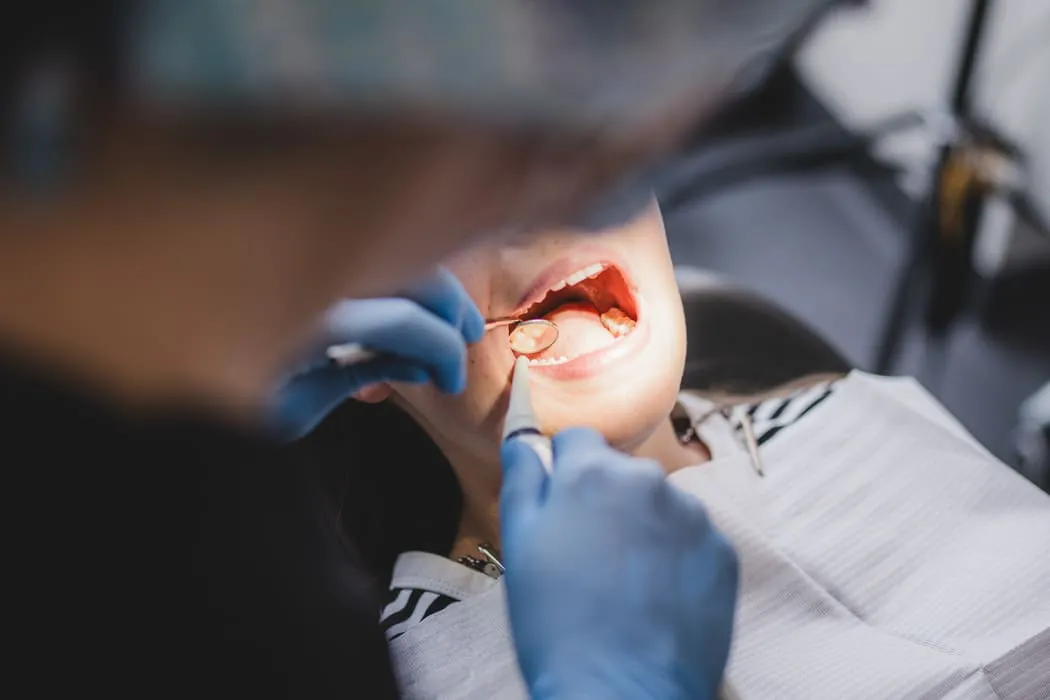
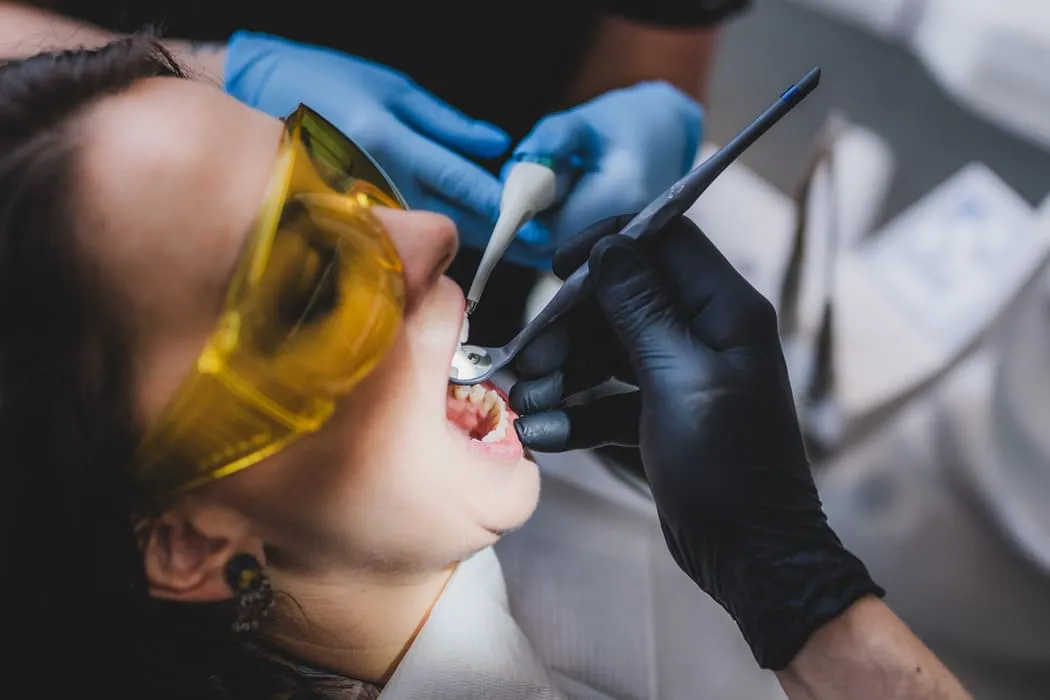
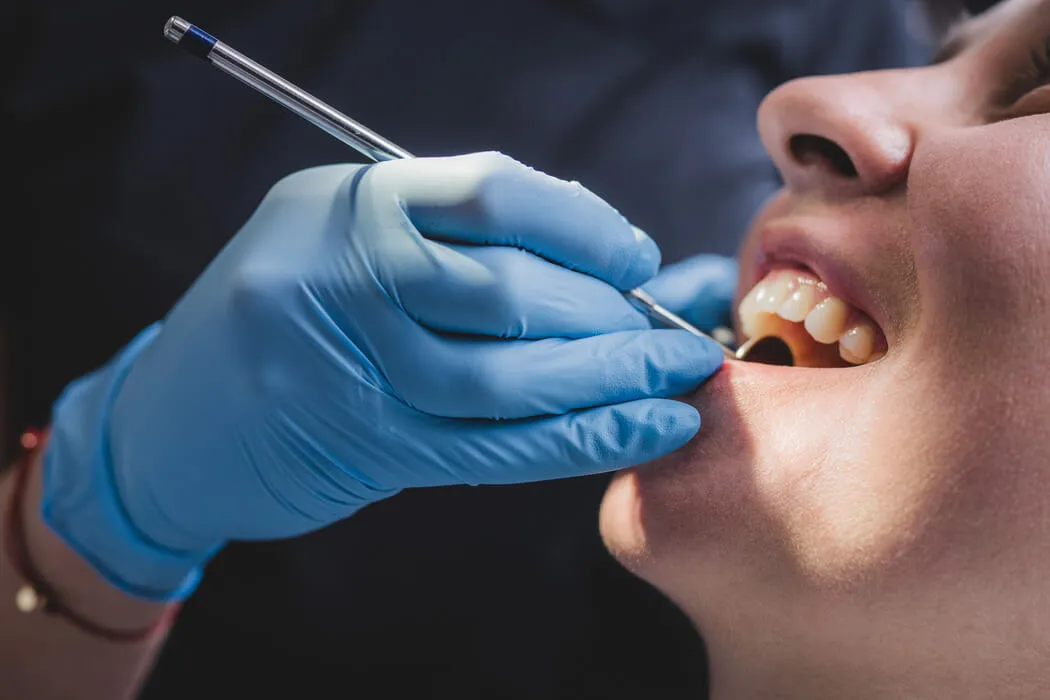
In the offices of Stomatologia Wichlińscy, we perform a hygienization procedure divided into 5 stages. After completed hygienization, patients see the effects of our work immediately, as teeth are whiter and gums are less sensitive.

As part of comprehensive hygienization, we perform:

Scaling

Removal of supragingival and subgingival calculus using an ultrasonic scaler.

Sandblasting

Removal of stains and deposits e.g. from coffee, tea, red wine.

Polishing

It involves smoothing the surface of the teeth using dental pastes and soft brushes.

Fluoridation

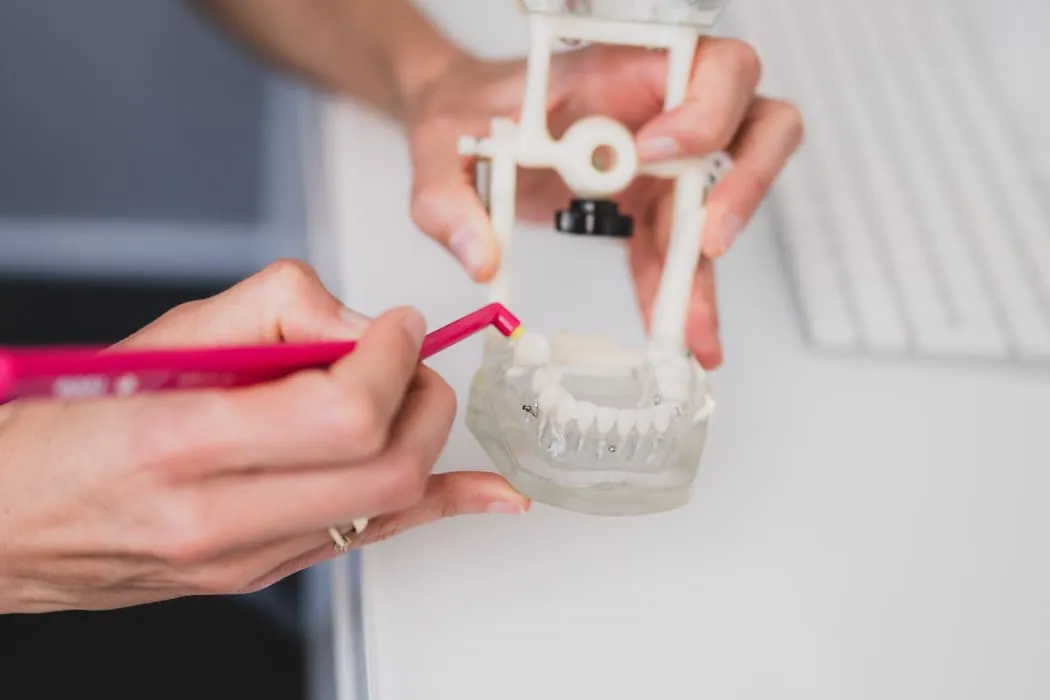
Allows you to protect your teeth from sensitivity and decay. Oral hygiene instruction - we will demonstrate the correct technique for brushing and flossing.

It's a good time to get rid of tartar!

Make an appointment for hygienization!

What is the difference between hygienization and whitening?

The hygienization procedure is the cleaning of the teeth from the tartar and plaque that is formed during eating. Regular hygienization ensures that the teeth and gums, cleaned with dental brushes and pastes, are in good condition.It is true that after hygienization alone, patients judge their teeth to be whiter. Whitening, on the other hand, is an aesthetic procedure, which involves lightening the colour of the teeth by several tones. It is worth knowing that teeth without calculus guarantee a more lasting effect. Therefore, the first step before bleaching is hygienization.

Hygiene during pregnancy - what recommendations?

During pregnancy, patients should have professional hygienization: plaque removal and teeth sandblasting. It is not worth being afraid or delaying, as the plaque build-up will turn into tartar. The hygienization procedure is safe and we recommend performing it after the first trimester.

What does dental hygiene look like in braces?

The arches and brackets of orthodontic appliances do not make it easy to take care of your oral hygiene and brushing your teeth. Spaces may appear that have not been cleaned, because they are difficult to access. Tartar has a negative effect on the straightening process, makes it difficult for the teeth to move. Therefore, during orthodontic treatment, more frequent hygienization procedures are advisable - every 3-5 months or so.
en_GB